Napoleon und das Herzogtum Warschau
The Attitude
of England and France toward the Polish
The Post Partition
Regime in Poland
Hopes and Plans
of the Polish Patriots
The Polish Legions
The Pro-Russian
Turn in Polish Politics & Czartoryski's Plans
Defeat of Prussia
and Napoleon's Promises to Poland
Treaty of Tilsit,
1807
The Economic
Problems
The War with
Austria and the Conquest of Galicia, 1809
Franco-Prussian
War
End of the Duchy
of Warsaw
The Attitude of England and France toward the
Polish
One of the most egregious errors of the Polish political philosophy of the XVIIIth
century was the prevailing belief that Poland was needed to preserve the balance
of power in Europe, and that she was exposed to no danger as long as she remained
unaggressive and as long as there existed competition and jealousy among the
great powers, precluding the territorial aggrandizement of any one of them.
How utterly fallacious such reasoning was the sad events of the last quarter
of the XVIIIth century amply demonstrated. The internal problems of France and
the exhausting wars she carried on, the preoccupation of Great Britain with
the American Revolution, and the jealousies and antagonisms between France and
England afforded the opportunity for Russia, Prussia and Austria to proceed
unhampered with reference to Poland. With the exception of Turkey, no European
power did so much as protest when "the greatest crime of modern history was
perpetrated." In reply to Poniatowski's appeal after the first dismemberment
King George III of England wrote: "Good Brother..justice ought to be the invariable
guide of sovereigns. . I fear, however misfortunes have reached the point where
redress can be had from the hand of the Almighty alone, and I see no other intervention
that can afford a remedy." <1> Beyond an expression of sympathy,
England did nothing to prevent the utter destruction of Poland at the time when
the country was going through a period of national regeneration and was making
superhuman efforts to remedy the ancient ills, to create a strong government
and to introduce social and economic reforms. "After all, no English interests
were involved in the partition. It was not her business to -intervene." <2>
The interests of Great Britain in the East at that time were purely commercial
and the fate of Poland was a matter of indifference to her as long as she was
assured by the treaty of May 1774, with Frederick the Great, of all former commercial
rights at Danzig and Western Priissia. "The time had not arrived when Great
Britain felt that the Russian advance was either a menace to her Mediterranean
interests or to her Indian empire. <3> France also remained
singularly unperturbed over Poland's tragedy. Louis XV did not even reply to
Poniatowski's appeal of 1772. And Revolutionary France did not exhibit any particular
enthusiasm for "a country of nobles."
Top
The Post Partition Regime in Poland
As a consequence, the Polish nation was left entirely unaided against the joint
action of three powerful militaristic States to whom "might was right"
and whose governments immediately after the partitions proceeded ruthlessly
to suppress the national Polish sentiments and bound themselves by the treaty
of January 26, 1797, to destroy everything "which might retain the memory of
the Polish Kingdom." The leaders of the nation, not excluding Kosciuszko, were
imprisoned and some of those who fell into Russia's hands were exiled to Siberia
and even to Kamchatka. Prussia and Austria applied themselves to the task of
denationalization very industriously. Polish law and institutions were supplanted
by those of the Teutonic countries; schools we're Germanized; heavy taxes were
laid; men were drafted into military service to supply the then much needed
fodder for cannon; large crown, church and individual estates were confiscated;
German colonization in the Polish provinces was strongly encouraged. The Prussian
minute police regulations and her spy system which she introduced in Poland
were as cruel and vexatious as they were petty and ludicrous: they went so far
as to prescribe methods of cow milking. The principle of collective responsibility
for political offenses of individuals was applied and the imposition of a severe
censorship thwarted every expression of patriotism. In Russian Poland the lot
of the nobility was not as severe as in the other two sections of the country.
The inferior Russian civilization could not readily supersede the higher culture
of Poland. A form of home rule was also retained. Moreover, the opportunities
afforded for a ready export of grain through the newly opened ports
of the Black Sea brought material prosperity. This prosperity, however, was
acquired at the terrible expense of the peasantry, whose conditions under the
new regime became infinitely worse. The cities were likewise deprived of all
the privileges and prerogatives granted to them by the Four Years' Diet. The
habitations of the Jews were restricted to a certain area. and the Uniate Church
was singled out for repressions and persecutions by the Russian Government.
Top
Hopes and Plans of the Polish Patriots
Every successive dismemberment sent forth a new wave of Polish emigration. The
exiles scattered in various parts of Europe and some even embarked for the far-off
shores of America. Endeavors were made to arouse the nations of Europe and their
governments to a 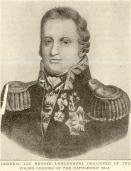 realization of the crime committed upon Poland, and
to stimulate them to action in the cause of humanity and justice. Realizing
that no nation would sacrifice its blood to avenge the Polish tragedy, the emigrants
conceived the idea of organizing Polish armed forces in Wallachia and elsewhere
and of holding them ready to enter Poland when the proper moment came. The expectations
of an international conflict to which Poland could offer a key were based on
sound premises. The antagonism between Austria and France was bitter and after
Prussia sealed her compact with the French Republic at Basel on April 5, 1795,
the old enmity of Austria toward Prussia was revived and the robber triumvirate
was divided against itself. Austria endeavored to induce Russia to a war against
Prussia, "the traitor of the monarchial idea." Nothing but a war among the three
black eagles, aided by Revolutionary France, as contemplated by the Paris Committee
of Public Safety, could offer the coveted chance of organizing a Polish army
to regain national independence. The hopes of Poland hung upon a triumphant
France and nobody realized this more clearly than did General Jan Henryk Dombrowski,
who, after the defeat of Kosciuszko at Macieyowice, conceived the bold and pathetic
idea of gathering the remaining forces and of marching to France, jointly with
the King and the members of the Four Years' Diet, cutting through Germany by
force, if necessary. He well knew that France was the only country in Europe
at the time which could have a direct interest in the reconstruction of Poland.
The obduracy of the King and the indecision on the part of General Wawrzecki,
the successor of Kosciuszko in command of the army prevented, the execution
of this truly dramatic act. When it failed, Dombrowski, a knight "sans peur
et sans reproche," whose military fame was well known abroad, went to Berlin
in February, 1796, where he presented to the King of Prussia a plan of a joint
campaign with France and Turkey against Austria and Russia and assured him of
Poland's active assistance if Prussia would help to restore Poland's independence.
Should this be realized he was confident the Poles would welcome a Hohenzollern
to the throne of their thus reconstructed country. After numerous conferences
with the Berlin cabinet and the French representatives, he left for France to
organize Polish legions from among those Poles who resided abroad or who were
kept in French detention camps as Austrian soldiers.
Top
realization of the crime committed upon Poland, and
to stimulate them to action in the cause of humanity and justice. Realizing
that no nation would sacrifice its blood to avenge the Polish tragedy, the emigrants
conceived the idea of organizing Polish armed forces in Wallachia and elsewhere
and of holding them ready to enter Poland when the proper moment came. The expectations
of an international conflict to which Poland could offer a key were based on
sound premises. The antagonism between Austria and France was bitter and after
Prussia sealed her compact with the French Republic at Basel on April 5, 1795,
the old enmity of Austria toward Prussia was revived and the robber triumvirate
was divided against itself. Austria endeavored to induce Russia to a war against
Prussia, "the traitor of the monarchial idea." Nothing but a war among the three
black eagles, aided by Revolutionary France, as contemplated by the Paris Committee
of Public Safety, could offer the coveted chance of organizing a Polish army
to regain national independence. The hopes of Poland hung upon a triumphant
France and nobody realized this more clearly than did General Jan Henryk Dombrowski,
who, after the defeat of Kosciuszko at Macieyowice, conceived the bold and pathetic
idea of gathering the remaining forces and of marching to France, jointly with
the King and the members of the Four Years' Diet, cutting through Germany by
force, if necessary. He well knew that France was the only country in Europe
at the time which could have a direct interest in the reconstruction of Poland.
The obduracy of the King and the indecision on the part of General Wawrzecki,
the successor of Kosciuszko in command of the army prevented, the execution
of this truly dramatic act. When it failed, Dombrowski, a knight "sans peur
et sans reproche," whose military fame was well known abroad, went to Berlin
in February, 1796, where he presented to the King of Prussia a plan of a joint
campaign with France and Turkey against Austria and Russia and assured him of
Poland's active assistance if Prussia would help to restore Poland's independence.
Should this be realized he was confident the Poles would welcome a Hohenzollern
to the throne of their thus reconstructed country. After numerous conferences
with the Berlin cabinet and the French representatives, he left for France to
organize Polish legions from among those Poles who resided abroad or who were
kept in French detention camps as Austrian soldiers.
Top
The Polish Legions
There is hardly a more touching chapter in the world's history than the story
of the Polish Legions. When Dombrowski arrived at Paris he presented his idea
in a memorial which he had prepared jointly with Joseph Wybicki, the member
of the Four Years' Diet and the lawyer Barss, who was the representative of
Kosciuszko. It was favorably received by the Directory and by M. Petiet, the
Minister of War. He then went to Milan to present himself to Bonaparte, the
youthful hero, then Commander in Chief of the Army in Italy. Napoleon had
already heard about conditions in Poland from his gallant adjunct, captain
Joseph Sulkowski who subsequently perished in Egypt. Referring to a letter
received from Prince Michael Oginski, an ardent patriot whose immense estates
in Lithuania were confiscated by Russia and who was then active in patriotic
circles in Turkey, Napoleon said to Sulkowski: "What can I reply to him? What
can I promise? Tell your countrymen that dismemberment of Poland was an act
of injustice which cannot last; that after the war in Italy is over I shall
personally lead Frenchmen against Russia to compel her to restore Poland's
independence; but tell him also that the Poles should not rely on foreign
help, that they should arm themselves, harass Russia and keep in contact with
their country. The beautiful words designed for their infatuation lead nowhere.
I know the diplomatic language and the indolence of Turkey. A nation crucified
by her neighbors can be resurrected only by the call to arms." <4>
In spite of his pronounced feelings toward Poland, he gave a cold reception
to General Dombrowski when the latter appeared at the French headquarters
on December 4, 1796. The probable reason for it was Napoleon's contempt for
"the lawyers of the Directory," whose letters of introduction Dombrowski presented.
This attitude toward the man who was carrying out his former advice with reference
to Poland soon changed and developed into a warm admiration for the military
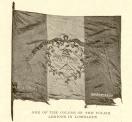
genius of Dombrowski, and the gallantry of his legions whose status was determined
by the convention signed by the Administrative Board of Lombardy and the Polish
General on January 9,1797. In this way, two years after the last dismemberment
of Poland, a Polish army was formed, in Polish uniforms, under Polish command,
decorated with French cockades and wearing on the epaulets the inscription:
"Gli uomini liberi sono fratelli." (Free men are brethren.) The legionaries
were considered citizens of Lombardy with a right to return to their motherland
whenever circumstances might demand it. On January 20, 1797, Dombrowski issued
his appeal to the Poles, in which he said: "Poles, hope is rising. France
is victorious. She fights for the cause of the nations. Let us help to weaken
her enemies. Polish legions are being formed in Italy. The triumphs
of the French Republic are our only hope. With her help and that of her allies
we may yet see our homes which we left with emotion."<5>
In response to this call thousands of Poles flocked to Dombrowski's banners.
A good star seemed to have appeared on the dark horizon and enthusiasm was
genuine. The rapturous song of the Polish Legions, known by its first words
"Poland is not yet lost," or as "Dombrowski's march" was then born and has
since become the national anthem. To its strains the valiant Legions flung
themselves into the thick of every battle.
 Napoleon's phenomenal
successes over Austria at Arcole, Rivoli and Mantua seemed to make the realization
of Polish hopes near at hand. Dombrowski had already secured Bonaparte's permission
for a march through Transylvania to Galicia, when truce was declared at Leoben
and preliminary steps taken for the Campo Formio peace. The treaty sealed
on October 17,1797, made, however, no mention of Poland. It was the first
severe shock and disappointment experienced at Napoleon's hands. The only
apparent result of all the bloody efforts of the past campaign was the intact
existence of the Legions, the living and fighting representation of Poland.
After the Campo Formio treaty they became attached to the Cisalpine Republic.
In June,1798 Kosciuszko returned from America to France where he was met by
the government and the people of the country in a most tender and enthusiastic
manner. His popularity and influence were expected to promote the cause of
the Legions, whose chief adviser he became. He was yet bound by his pledge
to the Russian Emperor Paul I who released him from imprisonment under promise
of not taking part in active service against Russia. He acted, therefore,
only as a patron and counsellor of the Polish army. His encouragement added
fresh vigor to the soldier-patriots who patiently persisted in their devotion
and self-imposed military service. New hopes arose when the second coalition
was launched by the allied powers against France. The Legions were burning
with desire to push the campaign as far eastward as possible, to be nearer
their goal. They distinguished themselves in Championnet's army, as only men
fighting for a great ideal can. In the battle at Civita Castellana the Polish
batallion under General Kniaziewicz annihilated the corps of Count de Saxe,
which constituted the left wing of the Neapolitan army. When at Calvi,
Kniaziewicz, by a flank attack, took six thousand prisoners, Championnet elevated
him to the rank of Brigadier General. Gaeta was captured by Dombrowski and
it was Kniaziewicz's garrison that occupied the Capitol after Rome fell. In
recognition of his brilliant services Kniaziewicz was chosen to carry the
captured banners to Paris. Rivers of beautiful oratory were poured on the
Legions for their valor and French gratitude to the Poles vouched forever.
Polish troops took part in the bitter north Italian campaign. In the battle
of Legnano the Poles revealed wonders of bravery and determination. At Magnano
the heroic General Rymkiewicz fell; Chlopicki exhibited his dauntless courage
and coolness in the action at Novi; and Michael Sokolnicki's grenadiers performed
marvellous feats of prowess and valor on many occasions. On the banks of the
Trebbia the Polish eagles fought with particular furor. They were facing the
Tamerlane of the day, the Russian Field Marshal Suvorov, the heartless destroyer
of Praga whom they had met in the Valley of the Vistula before. In this battle
General Dombrowski was severly wounded. The French army, however, was compelled
to retire before the vastly superior forces of the Allies and when the fortress
of Mantua surrendered, many of the Poles who were in the garrison of the city
fell into Austria's hands.
Napoleon's phenomenal
successes over Austria at Arcole, Rivoli and Mantua seemed to make the realization
of Polish hopes near at hand. Dombrowski had already secured Bonaparte's permission
for a march through Transylvania to Galicia, when truce was declared at Leoben
and preliminary steps taken for the Campo Formio peace. The treaty sealed
on October 17,1797, made, however, no mention of Poland. It was the first
severe shock and disappointment experienced at Napoleon's hands. The only
apparent result of all the bloody efforts of the past campaign was the intact
existence of the Legions, the living and fighting representation of Poland.
After the Campo Formio treaty they became attached to the Cisalpine Republic.
In June,1798 Kosciuszko returned from America to France where he was met by
the government and the people of the country in a most tender and enthusiastic
manner. His popularity and influence were expected to promote the cause of
the Legions, whose chief adviser he became. He was yet bound by his pledge
to the Russian Emperor Paul I who released him from imprisonment under promise
of not taking part in active service against Russia. He acted, therefore,
only as a patron and counsellor of the Polish army. His encouragement added
fresh vigor to the soldier-patriots who patiently persisted in their devotion
and self-imposed military service. New hopes arose when the second coalition
was launched by the allied powers against France. The Legions were burning
with desire to push the campaign as far eastward as possible, to be nearer
their goal. They distinguished themselves in Championnet's army, as only men
fighting for a great ideal can. In the battle at Civita Castellana the Polish
batallion under General Kniaziewicz annihilated the corps of Count de Saxe,
which constituted the left wing of the Neapolitan army. When at Calvi,
Kniaziewicz, by a flank attack, took six thousand prisoners, Championnet elevated
him to the rank of Brigadier General. Gaeta was captured by Dombrowski and
it was Kniaziewicz's garrison that occupied the Capitol after Rome fell. In
recognition of his brilliant services Kniaziewicz was chosen to carry the
captured banners to Paris. Rivers of beautiful oratory were poured on the
Legions for their valor and French gratitude to the Poles vouched forever.
Polish troops took part in the bitter north Italian campaign. In the battle
of Legnano the Poles revealed wonders of bravery and determination. At Magnano
the heroic General Rymkiewicz fell; Chlopicki exhibited his dauntless courage
and coolness in the action at Novi; and Michael Sokolnicki's grenadiers performed
marvellous feats of prowess and valor on many occasions. On the banks of the
Trebbia the Polish eagles fought with particular furor. They were facing the
Tamerlane of the day, the Russian Field Marshal Suvorov, the heartless destroyer
of Praga whom they had met in the Valley of the Vistula before. In this battle
General Dombrowski was severly wounded. The French army, however, was compelled
to retire before the vastly superior forces of the Allies and when the fortress
of Mantua surrendered, many of the Poles who were in the garrison of the city
fell into Austria's hands.
Strenuous campaigning, murderous battles, inclement weather, disease, privations,
lack of food and clothing decimated the ranks of the Polish warriors who braved
everything and suffered without complaint or murmur of dissatisfaction, although
some of the duties assigned to them were repugnant to their moral principles.
They saw only their ideal, for the realization of which no price was too high.
The reverses suffered by the French armies, however, made the achievement
of it remote, but when Napoleon returned from Egypt spirits rose again. With
the opening of the new campaign, fresh Polish volunteers filled the depleted
ranks of the Legions. Soon Dombrowski and Kniaziewicz were in command of army
of over fifteen teen thousand experienced veterans, whose hearts were filled
with patriotic ardor whose souls glowed with enthusiasm. "God is with Napoleon
and Napoleon is with us," was the prevailing sentiment, to use the words of
the great poet Mickiewicz. At Marengo, St. Christoph and Hohenlinden, Polish
banners were in the thick of the fight and the victory at the latter place
was in no in measure due to Kniaziewicz. France was again triumphant and as
had happened four years before, now when Dombrowski was preparing to lead
Legions through Bohemia and Moravia to join hands with the insurrection which
was being organized in Poland, Bonaparte concluded the Luneville peace February
9, 1801. And again no mention was made of Poland, whose fate was completely
subordinated to the direct interests of France. The peace treaty moreover,
contained a clause to the effect that no activities on the part of the subjects
of the signatory powers aimed at their respective governments shall be tolerated
in any of the contracting countries. This meant the dissolution of the Legions.
It is hard describe the crushing effect the treaty produced on the minds of
the Polish leaders. The organizers the Legions were severely taken to task
by Polish public opinion for the misdirection of their efforts the profitless
waste of life and energy. Gen Kniaziewicz resigned from service, in spite
of the insistent persuasions of M. Berthier, the French Minister of War. Following
his example, a great many officers laid down their swords and returned to
Poland. In order to save the Legions, the undaunted Dombrowski presented several
plans to Napoleon, one of them proposing the conquest of some of the Aegean
islands and the establishment of a Polish colony there. All were in vain.
A part of the Legion was incorporated into the Italian army and a part was
sent, at the point of the bayonet, to San Domingo to subdue a revolt of the
Haytians. Most of the men perished there either from bullets or from yellow
fever. Only a few hundred came back from this expedition. They brought back
bitter feelings. One of them, speaking of the reasons which prompted Napoleon
to send the Poles to their perdition in the West Indies, says in his memoirs:
"Napoleon had already been striving for the crown; seeing in us determined
republicans he wanted to punish us and dug for us a grave at San Domingo."
Whatever his motives were, he sadly duped those whom he once promised the
redemption of their country from "the injustice which cannot last" and whom
he warned against infatuation by diplomatic tricks.
Although the Legions had sorely failed in accomplishing what their leaders
had in mind when they organized them, their efforts and sacrifices were not
entirely in vain. They established a lofty tradition. They demonstrated to
the world that Poland is ready to shed her blood profusely for the regaining
of her independence; that her patriotism and gallantry are second to none
in the world and that there can be no peace in Europe until Poland is reconstructed.
Furthermore, the common service of tens of thousands of Poles of all stations
and conditions, including Jews, under Republican banners, bound together by
the slogan, "free men are brethren," had produced a deep impression on their
modes of thinking and helped to lessen somewhat the social rift which had
hitherto separated a nobleman from a peasant. Finally the admiration which
Napoleon could not help developing for the character and bravery of the Poles
was one more reason which prompted him to form later the Duchy of Warsaw.
An Englishman (Fox Strangways) writing about Poland in 1831 had thus expressed
the value of the services the Legions rendered to their country: "After spending
their blood in Italy, Spain, San Domingo and in various campaigns where neither
the cause of Poland nor the principles of liberty were advanced they ultimately
succeeded in extorting from him (Napoleon) the formation of his Polish conquests
into the Duchy of Warsaw. Then it was that the survivors of those who had
shed their blood in seemingly hopeless warfare met the recompense they deserved.
Since that time they ceased not to repeat to their countrymen that of their
fellow soldiers who died in Egypt or the West Indies, not one died in vain.
. . . Thus a wandering nation of fifteen thousand warriors restored Poland,
if not to her rank, at least to her, independence.
Top
The Pro-Russian Turn in Polish Politics &
Czartoryski's Plans
The disappointment following the Luneville treaty turned popular sentiment
in another direction, and circumstances were particularly favorable to effect
such a turn. The "Semiramis of the North" died in 1796, and her son Paul I
broke with all of her policies. He expressed his condemnation of the manner
in which she had treated Poland and released all the Polish prisoners, of
whom Kosciuszko was one. England was much displeased with the new Tsar and
his attitude toward France. His reign was very short however. In 1801 he was
murdered and his son Alexander succeeded him to the throne of Russia. Educated
by a Frenchman and possessing an impressionable mind, the Tsarevich developed
strong leanings toward the principles of the French Revolution and a strong
dislike of despotism and injustice. His idealism did not, however, prevent
him from taking part in the plot against, his father.
 In his boyhood Alexander had been thrown a great deal with the two young brothers
Czartoryski, who were raised as hostages at the Russian court, An intimate
friendship arose between the future Emperor and the Polish Prince, Adam Czartoryski,
a man of high ideals but mellow character. They had often discussed plans
for the future happiness of mankind and the restoration of Poland. With Alexander's
advent to the throne, Czartoryski was made Minister of Foreign Affairs of
Russia and the Curator of Education in the Wilno district which was one of
the six educational districts into which the Empire was divided and which
comprised the Polish and Lithuanian provinces. With such a change in the attitude
of Russia toward Poland and with a Pole elevated to the highest position in
the Empire in the ominous year of the Luneville peace, small wonder that the
hopes of certain elements in Poland became associated with those of Russia.
The bond of race added an element of sympathy to the union with that country
and created the fiction of common interest against Teutonism which was pursuing
a ruthless war of extermination of Polish culture in the sections under Prussian
and Austrian sovereignty. A strong pro-Russian party arose, particularly among
the Lithuanians, led by Prince Lubecki, Prince Michael Oginski, the erstwhile
supporter of Dombrowski's Legions, whose estates were returned to him, and
many others. Their program aimed at the unification of all Polish territories
into an autonomous unit under the sceptre of Russian tsars, as kings of Poland.
Czartoryski planned to carry this through by offering Silesia and Bavaria
or some provinces on the Danube to Austria in return for Galicia, and the
Rheinish provinces to Prussia for the cession of her share of Poland. The
coalition that was to help in the proposed reconstruction of Europe and in
checking French aggressiveness was to embrace Russia, Austria, England, Sweden
and Prussia. The latter refused to join the coalition, preferring neutrality
which she had maintained since 1795. It was planned to coerce her by sending
a Russian army, and Prince Joseph Poniatowski was counted on to organize a
rebellion in that part of Poland which was under Prussian rule. The Tsar was
expected to proclaim himself King of Poland and was enthusiastically received
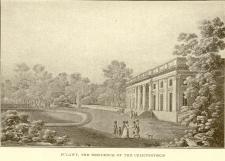
in Pulawy when he came to visit the Czartoryskis in the "Polish Athens." Prussian
diplomacy and the persuasion of the Russian advisers of the Tsar frustrated
the plan. Alexander did not issue the expected proclamation, but instead went
to Berlin where he and the Prussian King swore fidelity to each other over
the grave of Frederick the Great, whose saying that "Poland is the communion
uniting the Catholic, Lutheran and Schismatic" was as true then as it was
when enunciated. The Tsar then also turned over to his new ally the list of
names of the Prussian Poles who were to lead the planned uprising. That confidential
list was given to him, as future King of Poland, by Czartoryski. So came to
a disappointing end the plans of Czartoryski, unrealizable at best in view
of the fresh momentous victories of Napoleon over the Austrians and Russians
at Ulm and Austerlitz which even Prussia's participation would probably not
have prevented.
Top
In his boyhood Alexander had been thrown a great deal with the two young brothers
Czartoryski, who were raised as hostages at the Russian court, An intimate
friendship arose between the future Emperor and the Polish Prince, Adam Czartoryski,
a man of high ideals but mellow character. They had often discussed plans
for the future happiness of mankind and the restoration of Poland. With Alexander's
advent to the throne, Czartoryski was made Minister of Foreign Affairs of
Russia and the Curator of Education in the Wilno district which was one of
the six educational districts into which the Empire was divided and which
comprised the Polish and Lithuanian provinces. With such a change in the attitude
of Russia toward Poland and with a Pole elevated to the highest position in
the Empire in the ominous year of the Luneville peace, small wonder that the
hopes of certain elements in Poland became associated with those of Russia.
The bond of race added an element of sympathy to the union with that country
and created the fiction of common interest against Teutonism which was pursuing
a ruthless war of extermination of Polish culture in the sections under Prussian
and Austrian sovereignty. A strong pro-Russian party arose, particularly among
the Lithuanians, led by Prince Lubecki, Prince Michael Oginski, the erstwhile
supporter of Dombrowski's Legions, whose estates were returned to him, and
many others. Their program aimed at the unification of all Polish territories
into an autonomous unit under the sceptre of Russian tsars, as kings of Poland.
Czartoryski planned to carry this through by offering Silesia and Bavaria
or some provinces on the Danube to Austria in return for Galicia, and the
Rheinish provinces to Prussia for the cession of her share of Poland. The
coalition that was to help in the proposed reconstruction of Europe and in
checking French aggressiveness was to embrace Russia, Austria, England, Sweden
and Prussia. The latter refused to join the coalition, preferring neutrality
which she had maintained since 1795. It was planned to coerce her by sending
a Russian army, and Prince Joseph Poniatowski was counted on to organize a
rebellion in that part of Poland which was under Prussian rule. The Tsar was
expected to proclaim himself King of Poland and was enthusiastically received
in Pulawy when he came to visit the Czartoryskis in the "Polish Athens." Prussian
diplomacy and the persuasion of the Russian advisers of the Tsar frustrated
the plan. Alexander did not issue the expected proclamation, but instead went
to Berlin where he and the Prussian King swore fidelity to each other over
the grave of Frederick the Great, whose saying that "Poland is the communion
uniting the Catholic, Lutheran and Schismatic" was as true then as it was
when enunciated. The Tsar then also turned over to his new ally the list of
names of the Prussian Poles who were to lead the planned uprising. That confidential
list was given to him, as future King of Poland, by Czartoryski. So came to
a disappointing end the plans of Czartoryski, unrealizable at best in view
of the fresh momentous victories of Napoleon over the Austrians and Russians
at Ulm and Austerlitz which even Prussia's participation would probably not
have prevented.
Top
Defeat of Prussia and Napoleon's Promises to
Poland
Outside of England, Napoleon considered the Hapsburgs his greatest enemy.
He was, there therefore anxious to nourish good relations with Prussia which
could be used as a check against Austria. Likewise, Russia was a desirable
ally. The reopening of the Polish question had, therefore, very small
chances of coming to pass. When Prussia first betrayed Russia and then again
France with the consequence that in a short while she found herself overrun
by Napoleon's army and suffered a terrific defeat at Jena and then again at
Auerstadt, the Polish question took on a brighter aspect. Half of Prussia's
domain consisted of recently acquired Polish territory. Campaigning in a country
remote from his base, Napoleon was forced to seek support among the Poles.
He approached Austria with a proposal to exchange Galicia for Silesia and
asked Kosciuszko, whose name was surrounded by a halo of glory and patriotism,
to organize an armed force in Poland. Kosciuszko did not trust the ambitious
French despot and demanded assurances that the Polish state would be restored
to its pre-partition boundaries and that the serfs would be freed. As no assurances
were given, Kosciuszko refused to act. Napoleon then turned to Dombrowski.
The indefatigable warrior iminediately proceeded to organize a legion with
the aid of Wybicki, Zayonczek and others. In his appeal issued from Berlin
in November, 1806, Dombrowski quoted the famous words of Napoleon: "If the
Poles will prove that they are worthy of having independence, they shall have
it." The appeal was received with indescribable enthusiasm. 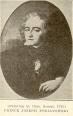 The belief of the people in Napoleon's star and the
magnetic influence his name exercised, caused an immense outpouring of men
into the ranks of the new Legions, to whom were added the Polish veterans
of Italy. Money was raised locally for the equipment and provisioning of the
Polish army. A large Polish deputation from Warsaw, headed by Count Dzialynski,
came to visit Napoleon in Berlin. He received them on November 19th
with great pomp and according to the newspaper accounts of the time, he said
among other things: "France has never recognized the dismemberment of Poland
. . . If I shall see a Polish army of thirty to forty thousand men I shall
proclaim in Warsaw your independence; and when I shall proclaim it, it will
be inflexible. It is in the interest of France and that of all Europe, that
Poland should have her free existence. Let internal strife cease. Your fate
is in your own hands."<6> Could Poland do otherwise than
she did in view of such a statement from the conqueror of Europe? Immediately
rebellions sprung up in various parts of Poland against Prussia. Meanwhile
Murat pursuing the Prussians and Russians entered Warsaw on November 28, 1806,
and was received amidst tears of emotion and cries of exultation of the populace,
which greeted him and his troops as the redeemers of Poland. Faithful to their
pledges, the Poles raised an army even in excess of the demanded thirty thousand.
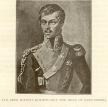
The organization of it was entrusted to Prince Joseph Poniatowski who was
made minister of war of the Polish territories cleared of the Prussians. The
government of the country was entrusted to a Committee of Seven and Stanislaw
Malachowski, the venerable president of the Four Years' Diet was made chairman
of it. Napoleon found the alliance with Poland very profitable. The country
kept his army well provisioned and the Polish regiments proved of great service
to him in direct action as well as in scout duty. His victories at Pultusk,
Danzig, Friedland and elsewhere were in a large measure due to the support
of the Polish troops and their knowledge of the terrain of operations.
Treaty of Tilsit, 1807
Seeing the change of attitude on the part of the Poles and realizing the importance
of their friendship during the period of hostilities, Alexander appealed to
the aristocratic and wealthy elements in Poland to whom the haughtiness of
the French "parvenu" was very distasteful and smacked too much of the detested
Revolution. He appealed to Czartoryski and to Kniaziewiczj asking them to
organize counter Legions. Neither of the two consented to engage in this work
of Cain. The pro-Russian party agitated in favor of Alexander and kept on
pointing out the previous treatment of the Poles by Napoleon and called on
the people to side with the "Slavic Monarch" whom the Russian General Benningsen
was about to proclaim King of Poland. Prussia, seeing how promptly Poland
had raised a considerable army, also attempted to gain Polish friendship and
promised the restitution of the country under a Hohenzollern. While this was
going on, the disastrous defeat suffered by the Russians at Friedland opened
the way for peace pour-parlers between Napoleon and Russia. In July, 1807,
the two monarchs met on the River Niemen at Tilsit to sign a peace treaty.
Napoleon was anxious for peace with Russia as it would give him a free hand
in devoting all his energies to the reconstruction of Europe and the war against
Great Britain. Russia's endorsement of his nepotism in the disposition of
the thrones of Westphalia, Holland and Naples, and her acquiescence in his
"continental system" were great prizes, for which he was ready to sacrifice
Poland.
Top
The belief of the people in Napoleon's star and the
magnetic influence his name exercised, caused an immense outpouring of men
into the ranks of the new Legions, to whom were added the Polish veterans
of Italy. Money was raised locally for the equipment and provisioning of the
Polish army. A large Polish deputation from Warsaw, headed by Count Dzialynski,
came to visit Napoleon in Berlin. He received them on November 19th
with great pomp and according to the newspaper accounts of the time, he said
among other things: "France has never recognized the dismemberment of Poland
. . . If I shall see a Polish army of thirty to forty thousand men I shall
proclaim in Warsaw your independence; and when I shall proclaim it, it will
be inflexible. It is in the interest of France and that of all Europe, that
Poland should have her free existence. Let internal strife cease. Your fate
is in your own hands."<6> Could Poland do otherwise than
she did in view of such a statement from the conqueror of Europe? Immediately
rebellions sprung up in various parts of Poland against Prussia. Meanwhile
Murat pursuing the Prussians and Russians entered Warsaw on November 28, 1806,
and was received amidst tears of emotion and cries of exultation of the populace,
which greeted him and his troops as the redeemers of Poland. Faithful to their
pledges, the Poles raised an army even in excess of the demanded thirty thousand.
The organization of it was entrusted to Prince Joseph Poniatowski who was
made minister of war of the Polish territories cleared of the Prussians. The
government of the country was entrusted to a Committee of Seven and Stanislaw
Malachowski, the venerable president of the Four Years' Diet was made chairman
of it. Napoleon found the alliance with Poland very profitable. The country
kept his army well provisioned and the Polish regiments proved of great service
to him in direct action as well as in scout duty. His victories at Pultusk,
Danzig, Friedland and elsewhere were in a large measure due to the support
of the Polish troops and their knowledge of the terrain of operations.
Treaty of Tilsit, 1807
Seeing the change of attitude on the part of the Poles and realizing the importance
of their friendship during the period of hostilities, Alexander appealed to
the aristocratic and wealthy elements in Poland to whom the haughtiness of
the French "parvenu" was very distasteful and smacked too much of the detested
Revolution. He appealed to Czartoryski and to Kniaziewiczj asking them to
organize counter Legions. Neither of the two consented to engage in this work
of Cain. The pro-Russian party agitated in favor of Alexander and kept on
pointing out the previous treatment of the Poles by Napoleon and called on
the people to side with the "Slavic Monarch" whom the Russian General Benningsen
was about to proclaim King of Poland. Prussia, seeing how promptly Poland
had raised a considerable army, also attempted to gain Polish friendship and
promised the restitution of the country under a Hohenzollern. While this was
going on, the disastrous defeat suffered by the Russians at Friedland opened
the way for peace pour-parlers between Napoleon and Russia. In July, 1807,
the two monarchs met on the River Niemen at Tilsit to sign a peace treaty.
Napoleon was anxious for peace with Russia as it would give him a free hand
in devoting all his energies to the reconstruction of Europe and the war against
Great Britain. Russia's endorsement of his nepotism in the disposition of
the thrones of Westphalia, Holland and Naples, and her acquiescence in his
"continental system" were great prizes, for which he was ready to sacrifice
Poland.
Top
Duchy of Poland 1807-15
At first he offered Prussian Poland to Russia. That section together with
the other part already held by Russia was to constitute a political entity
united with the Russian Empire in the person of the Tsar, as King of Poland.
Such a solution of the Polish problem would have been satisfactory to Napoleon,
as it would have hampered Russia by putting upon her various complicated obligations
and thwarted her policy of expansion. Moreover such a union of Poland with
Russia was bound to cause dissensions between Russia and Prussia as well as
with Austria. Russian diplomacy saw the difficulties which Napoleon's plan
would create and Alexander refused to accept the title of King of Poland.
 As a compromise measure, it was agreed to create an independent Polish state
embracing a part of Prussian Poland. At the request of the Russian Emperor
Napoleon consented to Prussia's keeping the Polish territories which she occupied
after the first dismemberment. Her shares in the second and third dismemberment
she was to lose. Bialystock and Bielsk, or the northern part of Podlasie,
being the section where the Uniate Church prevailed, was demanded by Russia.
Danzig became a free city under the joint protectorate of the Kings of Prussia
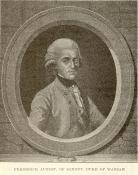
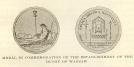
and Saxony. Thorn came back into the new state, which was to be known as the
Duchy of Warsaw, and Frederick August, the Saxon King, whom the constitution
of May 3,1791, had designated as King Poniatowski's successor, was made the
reigning Duke thereof. The newly created Duchy, as well as the city of Danzig,
joined the continental system designed to boycott English commerce. Thus Poland
became resurrected from the dead. Although the size of the reconstructed state
was small, consisting of only 64,500 square miles, with a population of 2,400,000,
yet it had great political significance for the Poles, and by the guarantees
it received for free navigation on the Vistula to the Baltic, its economic
self sufficiency was assured. Its destinies, however, like those of many other
states created by Napoleon, depended, upon the fortunes of this military genius.
The
As a compromise measure, it was agreed to create an independent Polish state
embracing a part of Prussian Poland. At the request of the Russian Emperor
Napoleon consented to Prussia's keeping the Polish territories which she occupied
after the first dismemberment. Her shares in the second and third dismemberment
she was to lose. Bialystock and Bielsk, or the northern part of Podlasie,
being the section where the Uniate Church prevailed, was demanded by Russia.
Danzig became a free city under the joint protectorate of the Kings of Prussia
and Saxony. Thorn came back into the new state, which was to be known as the
Duchy of Warsaw, and Frederick August, the Saxon King, whom the constitution
of May 3,1791, had designated as King Poniatowski's successor, was made the
reigning Duke thereof. The newly created Duchy, as well as the city of Danzig,
joined the continental system designed to boycott English commerce. Thus Poland
became resurrected from the dead. Although the size of the reconstructed state
was small, consisting of only 64,500 square miles, with a population of 2,400,000,
yet it had great political significance for the Poles, and by the guarantees
it received for free navigation on the Vistula to the Baltic, its economic
self sufficiency was assured. Its destinies, however, like those of many other
states created by Napoleon, depended, upon the fortunes of this military genius.
The
 makeshift
character of the Duchy of Warsaw was well recognized by the political leaders
of Poland. Many were discontented with it, particularly in view of the heavy
demands Napoleon made in compensation for its creation and his arbitrary methods
which precipitated grave social problems. Many of the former crown lands were
given to French generals, and the old Italian Legion, reorganized and increased
to eight thousand men, was sent to Westphalia, later to go to Spain. In addition
to the regular army of thirty thousand, fresh levies were ordered for the
"chevaux legers" which, because of their handsome appearance and gallant conduct,
the Emperor designated for his bodyguard regiment. They were put under command
of Count Vincent Krasinski, the father of one of the greatest poets of Poland.
With the opening of hostilities in Spain they, like the other Polish troops,
were sent to that country. Here they took active part in the desperate fighting
that characterized this campaign. They realized the injustice that was being
done to the brave Spaniards, but they were soldiers and faithful to their
duty. When the siege of Saragossa decimated the regiments of Chlopicki and
Konopka new detachments were sent to keep up the Polish quota. Forever famous
in military annals will remain the Polish charge at Samo-Sierra, the gorge
which guarded the road to Madrid. The Spanish batteries mowed down the French
troops one after another as they came within range of their guns. The possession
of the gorge was absolutely necessary. Napoleon ordered General Montbrun to
send a Polish squadron of cavalry to take it. When the General reported that
it was impossible, the Emperor impatiently replied: "Impossible? I do not
know the word. Nothing is impossible for my Poles." <7> And
with their usual daring the Polish light horse detachment under the youthful
John Kozietulski, swept like a tornado through the gorge. Few survived, but
to the astonishment of the French troops and even of Napoleon himself Samo-Sierra
was taken, and on November 30,1808, the road to Madrid lay open. Small, indeed
was to be the recompense Napoleon offered Poland for her inordinate sacrifices.
Instead of reviving the generally respected constitution of May 3rd and changing
it to meet the new conditions, Napoleon devised for the Duchy of Warsaw an
instrument of his own making. It gave large powers to the reigning Duke and
limited those of the Diet. No legislative bills could be introduced
by the Government, and the Diet had no power of discussion: it could either
enact or reject them. The code Napoleon, which superseded Polish civil laws,
created innumerable difficulties and called for many adjustments. It is well
known how attached Napoleon was to his code and how firmly he insisted that
it be adopted without change, regardless of the confusion which might follow
its introduction. In a letter to his brother Louis, King of Holland, he wrote
on November 13, 1807, "If you allow to touch (retoucher) the Code Napoleon
it will no longer be the Code Napoleon. . . . You are young, indeed, if you
think that a definite adoption of the code will introduce chaos or be a cause
of dangerous confusion in the country."<8> While not guaranteeing
freedom of speech or assembly, the new constitution was, however, much more
democratic than that of May 3rd, in that it extended
makeshift
character of the Duchy of Warsaw was well recognized by the political leaders
of Poland. Many were discontented with it, particularly in view of the heavy
demands Napoleon made in compensation for its creation and his arbitrary methods
which precipitated grave social problems. Many of the former crown lands were
given to French generals, and the old Italian Legion, reorganized and increased
to eight thousand men, was sent to Westphalia, later to go to Spain. In addition
to the regular army of thirty thousand, fresh levies were ordered for the
"chevaux legers" which, because of their handsome appearance and gallant conduct,
the Emperor designated for his bodyguard regiment. They were put under command
of Count Vincent Krasinski, the father of one of the greatest poets of Poland.
With the opening of hostilities in Spain they, like the other Polish troops,
were sent to that country. Here they took active part in the desperate fighting
that characterized this campaign. They realized the injustice that was being
done to the brave Spaniards, but they were soldiers and faithful to their
duty. When the siege of Saragossa decimated the regiments of Chlopicki and
Konopka new detachments were sent to keep up the Polish quota. Forever famous
in military annals will remain the Polish charge at Samo-Sierra, the gorge
which guarded the road to Madrid. The Spanish batteries mowed down the French
troops one after another as they came within range of their guns. The possession
of the gorge was absolutely necessary. Napoleon ordered General Montbrun to
send a Polish squadron of cavalry to take it. When the General reported that
it was impossible, the Emperor impatiently replied: "Impossible? I do not
know the word. Nothing is impossible for my Poles." <7> And
with their usual daring the Polish light horse detachment under the youthful
John Kozietulski, swept like a tornado through the gorge. Few survived, but
to the astonishment of the French troops and even of Napoleon himself Samo-Sierra
was taken, and on November 30,1808, the road to Madrid lay open. Small, indeed
was to be the recompense Napoleon offered Poland for her inordinate sacrifices.
Instead of reviving the generally respected constitution of May 3rd and changing
it to meet the new conditions, Napoleon devised for the Duchy of Warsaw an
instrument of his own making. It gave large powers to the reigning Duke and
limited those of the Diet. No legislative bills could be introduced
by the Government, and the Diet had no power of discussion: it could either
enact or reject them. The code Napoleon, which superseded Polish civil laws,
created innumerable difficulties and called for many adjustments. It is well
known how attached Napoleon was to his code and how firmly he insisted that
it be adopted without change, regardless of the confusion which might follow
its introduction. In a letter to his brother Louis, King of Holland, he wrote
on November 13, 1807, "If you allow to touch (retoucher) the Code Napoleon
it will no longer be the Code Napoleon. . . . You are young, indeed, if you
think that a definite adoption of the code will introduce chaos or be a cause
of dangerous confusion in the country."<8> While not guaranteeing
freedom of speech or assembly, the new constitution was, however, much more
democratic than that of May 3rd, in that it extended 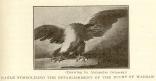 suffrage to almost all classes, and made all citizens equal before
the law. It also abolished serfdom. But in failing to provide land for
the freed peasants it created for the first time in Polish history the new
social class of the proletariat. The exodus of the peasants from the country
gave a stimulus to industry in the cities. Both commerce and manufacture revived,
despite the long period of exhaustion preceding it, and despite the heavy
taxes laid upon it as well as upon agriculture to maintain the army and to
meet the other, numerous French requisitions. It is remarkable, though characteristic
of Polish spirit, that in spite of the heavy drafts and unsettled conditions
of the time, public education received painstaking care and sustained attention.
The Department of Education under the enlightened guidance of Staszyc and
Stanislav Kostka Potocki established numerous primary schools. While during
the ten years of the Prussian regime only two hundred and fifty schools were
opened, their number increased to one thousand and one hundred when the Poles
took charge of education, which then became entirely emancipated from the
blighting effects of the former ecclesiastical control. The episcopate vehemently
protested against this change as well as against the Napoleonic code, which
allowed civil marriages and divorce, and did not provide for penalties in
cases of non-observance of religious rites. The protests were unheeded. The
Polish nation had become thoroughly modernized in the opening decade of the
XIXth century.
Top
suffrage to almost all classes, and made all citizens equal before
the law. It also abolished serfdom. But in failing to provide land for
the freed peasants it created for the first time in Polish history the new
social class of the proletariat. The exodus of the peasants from the country
gave a stimulus to industry in the cities. Both commerce and manufacture revived,
despite the long period of exhaustion preceding it, and despite the heavy
taxes laid upon it as well as upon agriculture to maintain the army and to
meet the other, numerous French requisitions. It is remarkable, though characteristic
of Polish spirit, that in spite of the heavy drafts and unsettled conditions
of the time, public education received painstaking care and sustained attention.
The Department of Education under the enlightened guidance of Staszyc and
Stanislav Kostka Potocki established numerous primary schools. While during
the ten years of the Prussian regime only two hundred and fifty schools were
opened, their number increased to one thousand and one hundred when the Poles
took charge of education, which then became entirely emancipated from the
blighting effects of the former ecclesiastical control. The episcopate vehemently
protested against this change as well as against the Napoleonic code, which
allowed civil marriages and divorce, and did not provide for penalties in
cases of non-observance of religious rites. The protests were unheeded. The
Polish nation had become thoroughly modernized in the opening decade of the
XIXth century.
Top
The Economic Problems
The first session of the Diet of the Duchy of Warsaw met on March 9,1809,
in the same building where the Four Years Diet had sat, under the same president,
Stanislav Malachowski, and in the presence of the Duke whom, in 1791 they
had chosen to succeed Poniatowski as King. The solemn and dignified
proceedings of the Diet, the unanimity in its work and readiness to meet the
extreme burdens imposed upon the country by Napoleon, indicated that a deep
change had taken place in Polish life since the great catastrophe which had
befallen the country. The fiscal and economic problems which became aggravated
by the introduction of the new civil code, by the enormous war taxes and by
the flood of worthless Prussian money thrown upon the country during the Prussian
occupation were ably met by the wise Finance Minister Lubienski.
Top
The War with Austria and the Conquest of Galicia,
1809
At the time when economic restoration of the Duchy was proceeding with success
and social relations were adjusting themselves to the changed conditions,
war was forced upon the country by Austria's challenge to Napoleon.
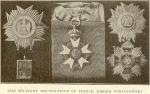 One of the four Austrian
armies, under Archduke Ferdinand, appeared on, the frontier of the Duchy on
April 14, 1809. Taken by surprise, the government ordered general mobilization.
A part of the regular Polish army was in France at the time and another part
was doing garrison duty in the Prussian fortresses, leaving only thirteen
thousand ready for immediate action. Headed by the valiant Prince Joseph Poniatowski;
they offered an obstinate resistance during the bloody battle of Raszyn, to
the south of Warsaw. The Austrian army was three times as large as the army
of the Duchy. It was necessary to abandon Warsaw and to withdraw to the right
bank of the Vistula. The government moved to Thorn. All the Austrian efforts
to cross the Vistula were, however, in vain. Even Warsaw's suburb, Praga could
not be taken. While the Austrian troops were exhausting themselves in their
unsuccessful attempts to get at the right bank of the Vistula, Poniatowski
crossed the Austrian frontier to liberate Galicia. Soon he took Lublin, Sandomir,
Przemysl and Lemberg. The population of Galicia rose against their oppressors
and formed regiments to help Poniatowski. The Galician magnates, however,and
Lemberg. The population of looked askance upon the Duchy of Warsaw because
of its democratic reforms and the abolition of serfdom and regarded with
One of the four Austrian
armies, under Archduke Ferdinand, appeared on, the frontier of the Duchy on
April 14, 1809. Taken by surprise, the government ordered general mobilization.
A part of the regular Polish army was in France at the time and another part
was doing garrison duty in the Prussian fortresses, leaving only thirteen
thousand ready for immediate action. Headed by the valiant Prince Joseph Poniatowski;
they offered an obstinate resistance during the bloody battle of Raszyn, to
the south of Warsaw. The Austrian army was three times as large as the army
of the Duchy. It was necessary to abandon Warsaw and to withdraw to the right
bank of the Vistula. The government moved to Thorn. All the Austrian efforts
to cross the Vistula were, however, in vain. Even Warsaw's suburb, Praga could
not be taken. While the Austrian troops were exhausting themselves in their
unsuccessful attempts to get at the right bank of the Vistula, Poniatowski
crossed the Austrian frontier to liberate Galicia. Soon he took Lublin, Sandomir,
Przemysl and Lemberg. The population of Galicia rose against their oppressors
and formed regiments to help Poniatowski. The Galician magnates, however,and
Lemberg. The population of looked askance upon the Duchy of Warsaw because
of its democratic reforms and the abolition of serfdom and regarded with 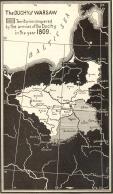 disfavor Poniatowski's activities. They were
laying plans for a reconstruction of the country under a Hapsburg or under
the scepter of the Tsar, and were accordingly carrying on negotiations with
General Golitsin who arrived with a Russian corps ostensibly to help Napoleon,
but in reality to hamper the disquieting conquests of the Polish arms. He
frustrated many of Poniatowski's plans, and helped the Austrians when they
returned from the Duchy to concentrate in Galicia. The fear of Napoleon lest
the aggrandizement of Poland caused displeasure in St. Petersburg and resulted
in the order that Polish conquests be made in his name and not that of the
Duchy, although all operations were carried on by Polish arms exclusively.
This naturally caused discontent in Galicia and aroused suspicion. Because
of the various hindrances put in his way, and particularly those of the "allied"
Russian army, Poniatowski withdrew from Eastern Galicia westward and took
Cracow. Before he entered the city the French General Mondet turned the city
over to the Russian commander and only Poniatowski's threat to open fire upon
the Russians caused their abandonment of the city which was then taken over
by a Polish garrison. Meanwhile Napoleon's victory at Wagram ended the war.
The Poles who conquered Galicia and left thousands on the battlefields had
a right to expect that she would be added to the Duchy. But the ever vigilant
Russian diplomacy made it impossible. Only Western Galicia as
disfavor Poniatowski's activities. They were
laying plans for a reconstruction of the country under a Hapsburg or under
the scepter of the Tsar, and were accordingly carrying on negotiations with
General Golitsin who arrived with a Russian corps ostensibly to help Napoleon,
but in reality to hamper the disquieting conquests of the Polish arms. He
frustrated many of Poniatowski's plans, and helped the Austrians when they
returned from the Duchy to concentrate in Galicia. The fear of Napoleon lest
the aggrandizement of Poland caused displeasure in St. Petersburg and resulted
in the order that Polish conquests be made in his name and not that of the
Duchy, although all operations were carried on by Polish arms exclusively.
This naturally caused discontent in Galicia and aroused suspicion. Because
of the various hindrances put in his way, and particularly those of the "allied"
Russian army, Poniatowski withdrew from Eastern Galicia westward and took
Cracow. Before he entered the city the French General Mondet turned the city
over to the Russian commander and only Poniatowski's threat to open fire upon
the Russians caused their abandonment of the city which was then taken over
by a Polish garrison. Meanwhile Napoleon's victory at Wagram ended the war.
The Poles who conquered Galicia and left thousands on the battlefields had
a right to expect that she would be added to the Duchy. But the ever vigilant
Russian diplomacy made it impossible. Only Western Galicia as  far, as the River San, a district covering 33,000 square miles with
a million and a half inhabitants, came back into the Polish State. Again all
the former crown lands in that territory were to be given over to the French
generals and once more had the Poles the sad occasion to learn how parsimonious
and reserved Napoleon was with reference to them. In the last campaign they
had engaged over sixty thousand Austrians and had kept the Prussians from
turning against the French, yet even the fruits of conquests in their own
country, made wholly by their own sacrifices and endeavors, were denied them
in a degree they were morally and legally entitled to expect. Yet the fact
that the Duchy was growing; that the City of Cracow with all its national
sanctuaries and the university was again free; that a valiant and glorious
army was in existence, gave faith and assurance, in spite of the iniquities
suffered, that the policy of an alliance with the Corsican was the best and
would eventually bring the country to its coveted goal.
Top
far, as the River San, a district covering 33,000 square miles with
a million and a half inhabitants, came back into the Polish State. Again all
the former crown lands in that territory were to be given over to the French
generals and once more had the Poles the sad occasion to learn how parsimonious
and reserved Napoleon was with reference to them. In the last campaign they
had engaged over sixty thousand Austrians and had kept the Prussians from
turning against the French, yet even the fruits of conquests in their own
country, made wholly by their own sacrifices and endeavors, were denied them
in a degree they were morally and legally entitled to expect. Yet the fact
that the Duchy was growing; that the City of Cracow with all its national
sanctuaries and the university was again free; that a valiant and glorious
army was in existence, gave faith and assurance, in spite of the iniquities
suffered, that the policy of an alliance with the Corsican was the best and
would eventually bring the country to its coveted goal.
Top
Franco-Prussian War
All plans were soon to be shattered. Napoleon's too ambitious undertaking
miscarried. One of the causes of the war of 1812 was the existence of the
Duchy. For it was against the traditions of Russia harking back to Peter the
Great, nay, to Ivan the Terrible, to look complacently at the existence of
Poland outside of Russian domination. In spite of Napoleon's continuous assurances
that "the dangerous Polish dreams" as Alexander called them, would never be
permitted realization, the Russian Tsar was forever restive. He demanded that
the word "Poles" be not used in public documents, that Polish orders be abolished
and that the Polish army be considered as a part of that of Saxony. The Russian
fear of the restoration of Poland was one of the trumps in Napoleon's hand
which together with a display of France's enormous resources in men, he intended
to use to intimidate Russia and to browbeat her. This explains his real unpreparedness
for the Russian campaign and his ambiguous behavior with reference to the
Poles. He continued to assure them of the sincerity of his purpose and requested
a further increase in the army to 80,000 men and 23,000 horses, and the speedy
completion of the fortress of Modlin (known now by the Russian name of Novo
Georgievsk) and some others, but made no direct political promises. When in
June a special French ambassador arrived at Warsaw and the reigning Duke turned
over the whole government to the Council of Ministers, it became evident that
great events were near at hand. The Diet assembled to take steps preparatory
to the impending war. Napoleon suggested that a general confederation be organized
and that he be petitioned to restore Poland. He intimated that Austria would
be willing to cede Galicia for the control of certain other territories. In
fact, by the secret treaty which Napoleon made with the Austrian ruler on
March 14, 1812, the Illyrian provinces were to constitute the prize for the
return of Galicia. As had always been the case in times of European conflagration,
various bait was thrown out to catch Polish support, so in the war of 1812
Russia also made a polite bow before her "beloved" sister and the Tsar
offered, through his old comrade Czartoryski a present to her, in the form
of reconstruction of the ancient kingdom in its former boundaries, abutting
on the Dnieper and Dvina and including Galicia. He was to give the resurrected
country a liberal constitution and a king in his own person but demanded that
Poniatowski betray Napoleon and bring the army over in support of Russia,
Czartoryski refused to act. In Lithuania, however, the Tsar's proposals found
many supporters led by Prince Michael Oginski and the able and brilliant Prince
Drucki Lubecki. They even contemplated the creation of an independent Duchy
of Lithuania. Meanwhile, the "second Polish war," as Napoleon called it, broke
out. When he appeared at Kovno the French Emperor wore the cap and uniform
of a Polish officer. To arouse Lithuania he sent to Wilno as a vanguard of
his host, a Polish regiment commanded by Prince Dominik Radziwill, a scion
of the great Lithuanian family. The dispersion, however, of the Polish regiments
among the various French corps was strongly resented. For nowhere else had
Napoleon a more loyal and devoted ally than the Poles who stood by him through
thick and thin and did not abandon him until his very last hour. They
formed a striking contrast to the Prussians under Yorck, who as soon as Napoleon's
defeat became known joined the Russians, as did also the Austrians. At the
opening of hostilities, the Warsaw Diet formed a confederation calling upon
the people to defend their country. The popular response to a firery speech
made by Minister Matuszewicz in the course of which he exclaimed: "Poland
will be resurrected. What do I say? Poland exists already!" was enormous.
The crowds were wild with enthusiasm. All believed in Napoleon's genius. "God
is with Napoleon and Napoleon is, with us." And the splendid Polish legions,
led by such brilliant generals as Dombrowski, Poniatowski Sokolnicki and others
who had no peers in any contemporary army, once more carried the fame of Polish
heroism along the same roads which two centuries, before, in the times of
Batory and Wladyslav IV saw the banners of the White Eagle in a triumphant
onward march to Moscow. The memories of Zolkiewski and Gosiewski came back.
But once more it was necessary to retire. Napoleon was defeated and his grand
army dispersed. Enormous losses were suffered by the Poles. Over a thousand
officers fell and only six thousand men returned
But they brought back all their
artillery and the eternal glory of their sacrifices for the country and her
honor.
Top
End of the Duchy of Warsaw
Under the guard of Polish uhlans, Napoleon fled Russia which had proved to
be the grave of his ambitions. His defeat sounded also the death knell of
the Duchy of Warsaw and filled with dismay the hearts of the Poles, who felt
that they would again fall prey to the neighboring hawks. The Russian
Emperor continued to assure the Poles of his friendship and proclaimed his
amnesty to Lithuania but at the same time covenanted with Prussia for another
partition in Poland on February 10, 1813, at Kalisz.
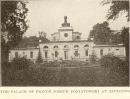 Before the Russian army reached the Duchy, the Polish government was discussing
the possibilities of offering armed resistance to the invaders; many, like
Prince Czartoryski advised an alliance with Russia. A great deal of valuable
time was lost in discussion. Meanwhile, it was learned that Schwarzenberg,
the commander of the Austrian army, which constituted the right wing of Napoleon's
host had practically betrayed his former ally and in view of that, the defense
of Warsaw became an impossibility. Prince Poniatowski gathered all his troops,
ordnance and ammunition and moved to Cracow. The Austrian Army in doubtful
attitude was near by; a Russian corps under Sacken was stationed in the vicinity
of and the pro-Russian party in Poland was bombarding him with persuasions
to submit to Russia. He well realized the difficult situation in which he
found himself and the responsibility that rested upon him, but he could not
be convinced that an alliance with Russia was for the best interests of the
country and his exalted conception of duty revolted at any suggestion of a
betrayal. Seeing that he would be unable to carry out his plan of a fight
to the end, and abandoned by many of his friends, he determined to leave Poland
and to join Napoleon's reorganized Grand Army. "There can be no compromise,
with honor," he said, and undertook the march in spite of the difficulties
which lay before him in crossing hostile Austrian domains. He left Poland,
never to return.
Before the Russian army reached the Duchy, the Polish government was discussing
the possibilities of offering armed resistance to the invaders; many, like
Prince Czartoryski advised an alliance with Russia. A great deal of valuable
time was lost in discussion. Meanwhile, it was learned that Schwarzenberg,
the commander of the Austrian army, which constituted the right wing of Napoleon's
host had practically betrayed his former ally and in view of that, the defense
of Warsaw became an impossibility. Prince Poniatowski gathered all his troops,
ordnance and ammunition and moved to Cracow. The Austrian Army in doubtful
attitude was near by; a Russian corps under Sacken was stationed in the vicinity
of and the pro-Russian party in Poland was bombarding him with persuasions
to submit to Russia. He well realized the difficult situation in which he
found himself and the responsibility that rested upon him, but he could not
be convinced that an alliance with Russia was for the best interests of the
country and his exalted conception of duty revolted at any suggestion of a
betrayal. Seeing that he would be unable to carry out his plan of a fight
to the end, and abandoned by many of his friends, he determined to leave Poland
and to join Napoleon's reorganized Grand Army. "There can be no compromise,
with honor," he said, and undertook the march in spite of the difficulties
which lay before him in crossing hostile Austrian domains. He left Poland,
never to return. 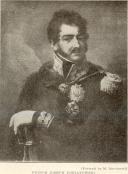 His withdrawal was quickly followed by untoward events.
The whole Duchy, with the exception of a few fortresses, was occupied by Russian
soldiery and used as a base of operations against Napoleon. The Polish government
left the country. Its place was taken by a Supreme Council'' composed of supporters
of Russia and presided over by Lanskoy, a Russian Senator. Among the members
was also a representative of Prussia, by the name of Christopher Colomb to
look after the Prussian interests, as, under the above mentioned treaty of
Kalisz, the Russian Emperor promised to return to Prussia the Polish provinces
which Napoleon had taken from her. The allies suffered several defeats at
the hands of Napoleon. He was approaching Breslau and laying plans for
the reconquest of Poland when the wily Metternich induced him to agree to
a truce and to meet at a convention in Prague. Valuable time gained by the
cessation of hostilities made possible the formation of a closer alliance
with England and Austria: as active participants. Emboldened by the alliances
made, Austria presented at Prague a series of demands to which Napoleon obviously
could not accede. The first demand concerned the divison of the Duchy of Warsaw
among her three neighbors. When Napoleon refused, Austria declared war. The
subsequent events concerning Napoleon's fortunes need not be retold here,
except to point out the loyalty of the Polish troops to Napoleon and their
undaunted courage in the discharge of the difficult duties assigned to them.
During the battle of Leipzig Prince Poniatowski was made Marshal of France.
Because of the treachery of the Saxons and Wurtembergians, Prince Joseph's
Polish corps was put into a most precarious position from which, however,
it emerged triumphantly. The rear guard action after the retreat from Leipzig
was entrusted to Poniaowski. Here the Prince was wounded. When the ridges
over the River Elster were destroyed too early he was threatened with capture.
Though severely wounded and profusely bleeding, he jumped into the stream
with his steed and endeavored to swim across the rapid stream. "Il faut mourir
en rave,!' he said. Here a shot pierced his left lung and with the words "Poland"
and "honor" he fell from his horse and disappeared under the water.
His withdrawal was quickly followed by untoward events.
The whole Duchy, with the exception of a few fortresses, was occupied by Russian
soldiery and used as a base of operations against Napoleon. The Polish government
left the country. Its place was taken by a Supreme Council'' composed of supporters
of Russia and presided over by Lanskoy, a Russian Senator. Among the members
was also a representative of Prussia, by the name of Christopher Colomb to
look after the Prussian interests, as, under the above mentioned treaty of
Kalisz, the Russian Emperor promised to return to Prussia the Polish provinces
which Napoleon had taken from her. The allies suffered several defeats at
the hands of Napoleon. He was approaching Breslau and laying plans for
the reconquest of Poland when the wily Metternich induced him to agree to
a truce and to meet at a convention in Prague. Valuable time gained by the
cessation of hostilities made possible the formation of a closer alliance
with England and Austria: as active participants. Emboldened by the alliances
made, Austria presented at Prague a series of demands to which Napoleon obviously
could not accede. The first demand concerned the divison of the Duchy of Warsaw
among her three neighbors. When Napoleon refused, Austria declared war. The
subsequent events concerning Napoleon's fortunes need not be retold here,
except to point out the loyalty of the Polish troops to Napoleon and their
undaunted courage in the discharge of the difficult duties assigned to them.
During the battle of Leipzig Prince Poniatowski was made Marshal of France.
Because of the treachery of the Saxons and Wurtembergians, Prince Joseph's
Polish corps was put into a most precarious position from which, however,
it emerged triumphantly. The rear guard action after the retreat from Leipzig
was entrusted to Poniaowski. Here the Prince was wounded. When the ridges
over the River Elster were destroyed too early he was threatened with capture.
Though severely wounded and profusely bleeding, he jumped into the stream
with his steed and endeavored to swim across the rapid stream. "Il faut mourir
en rave,!' he said. Here a shot pierced his left lung and with the words "Poland"
and "honor" he fell from his horse and disappeared under the water.
The death of their beloved hero and the appointment of the unpopular Prince
Sulkowski in his place, together with reflection upon the futility of further
,sacrifices, caused the Polish legions to demand release from duty. Apprised
of this, Napoleon addressed them in person, pointing out that such a step
on their part would not help their country and would but serve to tarnish
their past glorious record and their soldierly honor. By staying with him,
he said, they could yet serve their country because he would never forget
Poland. It is easy to surmise that they did not abandon him. Sulkowski resigned
from command and his place was taken by the untiring Jan Henryk Dombrowski.
In the campaign of 1814 Polish blood flowed profusely at the battlefields
of Brienne, Rheims, Arcis sur Aube and Montereau.
At Arcis sur Aube a battalion of Polish
infantry commanded by Jan Skrzynecki saved Napoleon's life. Napoleon's
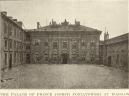
 admiration
for Polish chivalry was genuine and it is significant that the only squadron
which accompanied him to and remained with him in his exile on the Island
of Elba was that of the Polish chevaux legers under Colonel Paul Jerzmanowski.
By article 29 of the Treaty of Paris, inserted at the personal request of
Napoleon, the Polish troops were guaranteed a safe return to their homes and
were allowed to carry with them their arms and military decorations. "In this
way the small but armed companies were recognized as the representatives
of the Polish state. The Congressional Kingdom had its birth here. The vanquished
received honors from their conquerors. Sad but proud was the return march
to their native country. Through a long mourning road General Sokolnicki carried
the body of the supreme commander, during life his rival, and two hundred
Cracovians formed the last escort of Prince Joseph."<9> Grateful
memories still surround their heroism and constitute an inexhaustible well
of inspiration for the present day efforts of Poland. The returning legions
were received with great honors at Warsaw. The body of the Prince, who was
the incarnation of Poland's conception of honor and devotion to duty and country,
was first interred at Warsaw but subsequently laid to rest in Cracow in the
old royal cathedral. The City of Cracow at the time was the only spot in the
old vast domains of the Polish Republic that was free. The other sections
had come under the sovereignty of Russia, Austria and Prussia, by provisions
of a new partition agreed upon at the Congress Vienna.
admiration
for Polish chivalry was genuine and it is significant that the only squadron
which accompanied him to and remained with him in his exile on the Island
of Elba was that of the Polish chevaux legers under Colonel Paul Jerzmanowski.
By article 29 of the Treaty of Paris, inserted at the personal request of
Napoleon, the Polish troops were guaranteed a safe return to their homes and
were allowed to carry with them their arms and military decorations. "In this
way the small but armed companies were recognized as the representatives
of the Polish state. The Congressional Kingdom had its birth here. The vanquished
received honors from their conquerors. Sad but proud was the return march
to their native country. Through a long mourning road General Sokolnicki carried
the body of the supreme commander, during life his rival, and two hundred
Cracovians formed the last escort of Prince Joseph."<9> Grateful
memories still surround their heroism and constitute an inexhaustible well
of inspiration for the present day efforts of Poland. The returning legions
were received with great honors at Warsaw. The body of the Prince, who was
the incarnation of Poland's conception of honor and devotion to duty and country,
was first interred at Warsaw but subsequently laid to rest in Cracow in the
old royal cathedral. The City of Cracow at the time was the only spot in the
old vast domains of the Polish Republic that was free. The other sections
had come under the sovereignty of Russia, Austria and Prussia, by provisions
of a new partition agreed upon at the Congress Vienna.
Top
of Page
Return
to Table of Contents
1.David Jayne Hill, "A History of Diplomacy
in the. International Development of Europe," Vol. 111, ph 675.
2.J. Ellis Barker, "Peace and the- Polish
Problem," The Nineteenth Century and After, January, 1915, p. 99.
3.D Hill loc. cit., p. 659.
4.Maryan Kukiel: "Dzieje oreza polskiego,
1795-1815." Posen: Z. Rzepecki et Co., 1912, p. 30.
5.M. Kukiel: Loc. cit., p. .33.
6.Thoughts~ on the Present Aspect of Foreign Affairs."
By 1An Englishman, London, James Ridgway, 1831, p. 76-77.
7.Kukiel, 1. C., P. 219.
8.M. Handelsman, "Napoleon a Polska," Warsaw,
E. Wende et Co.,1913, p. 11.
9.M. Kukiel: Loc. cit., p.470